Imagine the first night of a Broadway show, but instead of tuxedos, everyone wears polo shirts. The stage is a beautiful golf course. That’s what a pro-am is like. It’s a special day where amateurs and famous golfers play together.
A golf pro-am is when an amateur golfer plays with a pro. But it’s more than that. It’s like a fantasy where you might get to play with a golf legend.
The day is like a dream come true. You get VIP treatment and amazing gifts. Your pro partner will hit drives that seem impossible. It’s like playing on the Tour, but not quite.
The cost to play? It’s like a donation to a good cause. It makes the day even more special. For more on how to make this happen, check out the Pro-Am 101 guide. It explains everything from finding sponsors to handling the big day.
Entry Paths and Costs
Golf is a game of access, with some doors opening with a membership and others with a big check. Getting into a pro-am, a mix of pros and amateurs, has its own two-tiered system. Knowing which tier you’re in is key to moving from the practice green to the first tee.
The Two-Tiered World of Pro-Am Access
The pro-am world isn’t a single ladder to climb. It’s divided into two levels. One is the local golf scene, and the other is the big-time events. The difference isn’t just in distance, but also in the cost.
The Local Club Pro-Am
This is like golf’s community theater. It’s the indie film of the pro-am world, full of heart and local flavor. For about $200 to $600, you and your friends can play with the club pro. This includes food, drinks, and a real golf experience.
It’s like a beloved local diner—unpretentious, fun, and focused on community. The amateur spots here are about having fun, not winning.
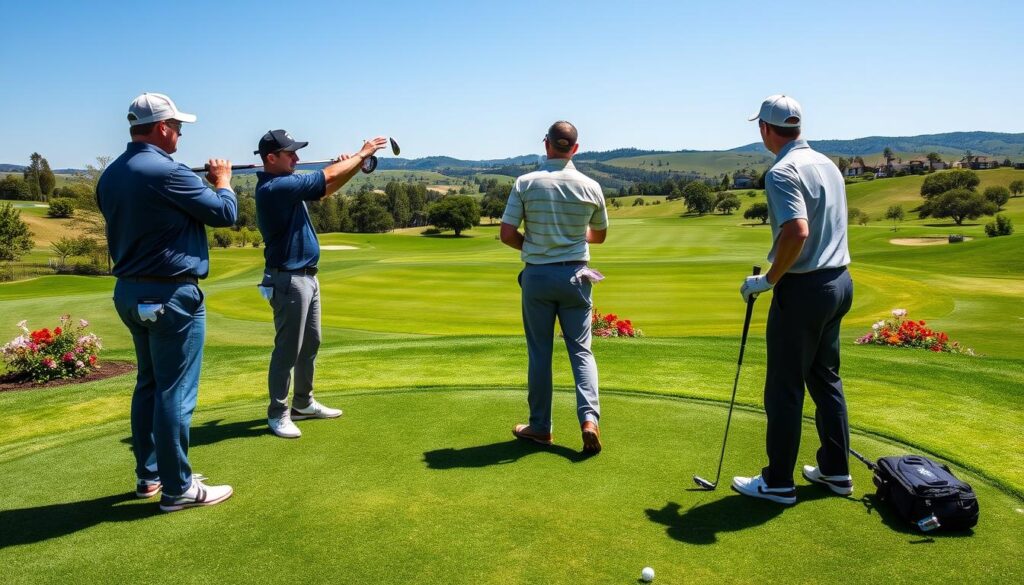
Then, there’s the PGA Tour pro-am, the big-time event. It’s like switching from a local diner to a five-star restaurant. The cost? Think major investment, not just a green fee.
At places like Pebble Beach, a foursome can cost over $40,000. At the Viking Classic, it’s a five-figure “charitable donation.” But you’re not just buying a tee time. You’re buying a role in the show.
At the Viking Classic, one participant said it’s as close to playing on Tour as most will get. Here, the amateur is treated like a VIP. You get fancy gifts, like Viking toasters, and special access.
Getting a spot in this league is more about who you know or how much you can donate. It’s not about your golf skills. It’s about access, plain and simple.
In the end, your path into a pro-am depends on the story you want to tell. Do you want the heartfelt local tale or the big-time Hollywood blockbuster? Both offer a chance to play with a pro. But one comes with a much bigger spotlight.
Format, Scoring, and Pace of Play
So, you’ve got your amateur spot and you’re ready to impress. But remember, a Pro-Am is more than just a casual game. It’s a structured event with its own rules and expectations. Think of it as a high-stakes strategy game, where knowing the rules is key.
Understanding the format is essential for your success. It guides every decision you make on the course. Make a wrong move, and you might hold up the whole field. But make it right, and you could win a story to tell.
Common Pro-Am Formats: The Game Within the Game
Forget the stroke play you see on TV. Pro-Ams have their own unique formats. Knowing which game you’re playing is half the battle.
The Scramble (A Team Effort)
The scramble is the great equalizer in a pro-am. Everyone in your group hits a drive. Then, you all choose the best shot and play from there. It’s fast, social, and focuses on teamwork.
It’s a game of strategy. Do you play it safe or take a risk? The scramble is about working together, where one great shot can save the team.
For more on what a pro-am is, the scramble is a great starting point. It’s a mix of competition and teamwork, with a bit of fun.
The Best Ball (Every (Wo)Man for Themselves… Sort Of)
In the best ball format, everyone plays their own ball. The team records the best score. It’s a chance to show off your skills while being part of a team.
If you have a bad hole, your partner might save the day. It rewards steady play and gives you a peek into the pro’s game.
The Vegas (High-Stakes Golf)
For those who love a big wager, there’s the Vegas format. It’s fast-paced and not for the faint of heart. The rules vary, but it’s all about making birdies and eagles.
It’s a game of strategy and big risks. You’re betting on your team’s skills on specific holes. It’s for the competitor who loves a challenge.
Pace of Play: The Unwritten Etiquette
A Pro-Am runs on a tight schedule. The pro has a tee time in 36 hours. You’re on the clock.
Think of yourself as part of a pro’s team for the day. Listen to your caddie and be ready to hit. Leave your practice routine at home.
The key is to keep up with the group in front of you. The pace is brisk, around 4 hours. It’s a chance to network while playing golf.
What to Pack and Etiquette
Being a pro-am participant means more than just playing golf. It’s about what you bring and how you act. This isn’t just any game. It’s a chance to impress a professional golfer. How you prepare shows your respect before you even start.
The Pro-Am Packing List (Beyond Your Clubs)
Your golf bag needs an upgrade. Think of it as diplomatic luggage for a very specific summit. You’ll need a new glove, extra balls, and a sharp, collared shirt. This shows you’re a confident amateur, not a wannabe pro.
But the real packing is in your mind. Bring a nice gift for your pro and their caddie. It’s not about brown-nosing. It’s showing respect. A good logoed polo or a premium bottle of bourbon shows class.
Don’t forget the swag. Major charity tournament pro-ams offer impressive gifts. Think Viking kitchen appliances, luxury watches, or high-end electronics. These gifts are for your charity donation, not just for playing well.

The table below breaks down the pro-am packing philosophy. It’s less about stuff and more about strategy.
| Item Category | What to Pack | Why It Matters |
|---|---|---|
| Essential Gear | New glove, 6+ extra balls, sharp collared shirt, waterproofs | Shows basic preparedness. You’re not wasting anyone’s time. |
| Psychological Edge | Quiet confidence, low expectations, sense of humor | Your mental state affects the pro’s day more than your swing. |
| Pro Relationship | Small, thoughtful gift (polo, local specialty) | Acknowledges their status. Builds immediate, subtle rapport. |
| Caddie Diplomacy | Same level gift, respect for their yardage book | The caddie is the pro’s brain trust. Ally, don’t annoy. |
| Charity Mindset | Gratitude for the experience, focus on the cause | This is a fundraiser first. Your entry fee is a donation with benefits. |
The Unwritten Rules of Pro-Am Etiquette
Etiquette at a pro-am is like the rules of a state dinner mixed with the pace of a Broadway show. The first rule: you are not the star. The pro is. Your job is to be prepared, be ready, and be quiet when they’re hitting.
Ask one thoughtful question about their pre-shot routine. Don’t request a full swing analysis mid-round. They’re working. Keep pace like your membership depends on it. Tend the flag without being asked. Mark your ball clearly. These small acts scream “experienced amateur.”
This is a massive charity fundraiser. That $40k entry fee for Pebble Beach? It’s a tax-deductible donation with a side of golf. Your presence helps fund the tournament’s causes. The real trophy isn’t on the mantle. It’s in the charitable impact.
Forget everything you know about weekend golf banter. The unwritten code is strict but simple:
- Silence is golden: Stand quiet during the pro’s setup and swing. No practice swings of your own in their sightline.
- Pace is key: Be ready to hit when it’s your turn. Have your yardage, club selection, and glove on before the group ahead clears.
- Assist, don’t ask: Tend the pin, help spot balls, rake bunkers without prompting. Be an asset, not a question.
- Gratitude over glory: Thank the pro and caddie sincerely post-round. The experience is the win, not your net score.
- Charity first: Engage with the fundraising mission. Ask about the cause. This contextualizes the entire day.
Your goal is simple: be the best amateur partner they’ve had all year. Attentive. Prepared. Low-maintenance. When the round ends, you want the pro thinking, “That was painless,” not “Thank God that’s over.” Master the packing and the protocol, and you’ve already won the real game.
How to Maximize Networking and Fun
Many think the 18 holes are the main event at a pro-am. But, the real fun starts in the hospitality tents and over cocktails. For those with amateur spots, it’s not just golf; it’s a chance to network.
Your game on the course is important. But, your social skills are key to making business connections. Treat it like a business conference, where networking happens in golf carts and bunkers.
The 19th Hole is Where the Real Game Begins
The pairings party is a must-attend. It’s where you meet your pro and other amateurs. You’ll find CEOs and entrepreneurs who paid the same fee as you.
VIP access turns the event into a festival. Enjoy lavish parties with celebrity chefs. The swag bag is just a welcome gift to a world of connections.
Imagine getting golf tips from a Ryder Cup captain while enjoying snacks. The golf course is like a mobile lounge for networking. Business cards exchange hands more than scorecards.
Don’t focus only on low scores. Be memorable and engaging. Talk to your pro and share your story. Treat your pro as a mentor and a future connection. Effective networking means being curious and genuine.
| Aspect | On-Course Game | Off-Course Game | Win Condition |
|---|---|---|---|
| Primary Focus | Golf mechanics, score | Relationship building, conversation | Balancing both without neglecting either |
| Key Skills | Swing consistency, course management | Active listening, storytelling, follow-up | Social intelligence that enhances the golf experience |
| Equipment Needed | Clubs, balls, tees | Business cards, conversational topics, genuine curiosity | Preparing your social toolkit as thoroughly as your golf bag |
| Success Metric | Stroke count, fairways hit | Connections made, follow-up meetings scheduled | Value created beyond the scorecard |
| Time Investment | 4-5 hours of play | 8-10 hours of social interaction | Recognizing the 19th hole extends the experience |
The post-round parties are where magic happens. Here, conversations deepen, and friendships form. You might discuss business with that CEO you played behind.
Remember, it’s not just about the score. Be engaging, respectful, and interesting. The connections you make can last a lifetime.
The 19th hole is more than a place. It’s a mindset. It’s about understanding the real tournament starts after the game. For amateurs, it’s a chance for golf memories and professional growth.
Booking a Pro-Am at the Host Venue or Nearby Clubs
Looking for a pro-am spot is like navigating a golf course. You can go the high-end route or explore local clubs.
The Direct Path: The Tournament Itself
Getting into a PGA Tour event is like getting VIP access. You need to sponsor or donate a lot to get in. It’s like buying a ticket to a big event.
Want to see the pros up close? The CHAMPIONSHIP PRO-AM at TPC Southwind is your chance. You’ll play 18 holes with the pros. Plus, you get luxury accommodations.
The Local Club Gambit
For a more down-to-earth experience, try your local club’s charity tournament. It’s a chance to support your community. The Machinex Open at Laurier Golf Club is a great example.
For $200-$600, you get a fun golf game, meals, and contests. It’s a chance to connect with your community. Just fill out a simple form to book.
Both options offer a unique pro-am experience. One is a big event, the other is local. Pick your adventure and hit the first tee.